
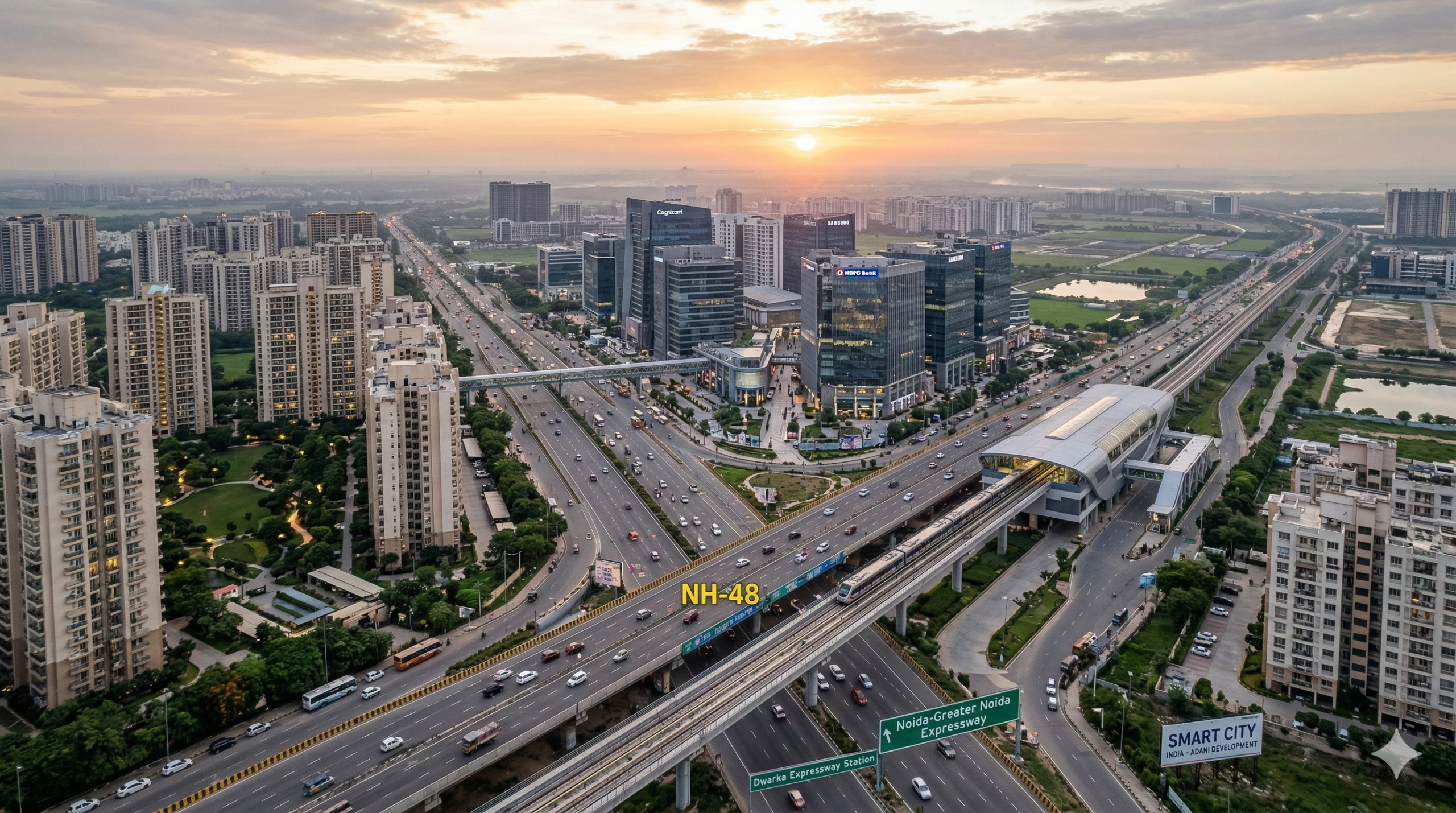
How Infrastructure Development Drives Real Estate Investment Growth in India
Real estate investment has always been closely linked to infrastructure development. Roads, expressways, metro corridors, airports, and industrial hubs often act as powerful catalysts for property growth. When governments invest in large infrastructure projects, they not only improve connectivity but also transform entire regions into attractive investment destinations.
Across India, infrastructure-led development has played a major role in shaping real estate markets. Regions that once had limited economic activity are now turning into thriving residential and commercial hubs because of improved connectivity and planned urban development.
For investors looking to build long-term wealth through property, understanding the relationship between infrastructure and real estate growth is essential. Identifying locations where infrastructure expansion is planned can help investors discover high-potential opportunities before property prices rise significantly.
Why Infrastructure Development Matters in Real Estate
Infrastructure development directly impacts the value and demand of real estate in a region. When transportation networks improve, businesses, industries, and residential communities begin to grow around those developments.
Several factors make infrastructure a key driver of real estate investment:
Improved connectivity between cities and business districts
Reduction in travel time for commuters
Growth of commercial activity and employment hubs
Expansion of residential townships near infrastructure corridors
For example, when a new expressway connects a city to major economic zones, the surrounding areas become more accessible. This improved connectivity encourages developers to build residential communities, retail spaces, and industrial parks nearby.
As more people move into the region for employment and business opportunities, the demand for housing and commercial real estate increases.
The Role of Highways and Expressways in Property Growth
Highways and expressways are among the most influential infrastructure projects affecting real estate markets. These transportation corridors connect cities, improve logistics, and reduce travel time significantly.
When a new expressway is developed, land prices along the corridor typically experience gradual appreciation. Investors who identify such locations early often benefit from substantial long-term gains.
Expressways also create opportunities for:
Industrial zones
Logistics hubs
Commercial developments
Residential townships
For example, many expressway corridors in India have become major real estate investment destinations due to improved regional connectivity.
Developers often plan large residential projects and integrated townships near expressways because they offer easy access to major urban centers.
Metro Rail Projects and Urban Expansion
Metro rail projects are another powerful factor influencing real estate growth in cities. As urban populations grow, metro systems provide efficient public transportation that reduces traffic congestion and improves mobility.
Areas located near metro stations often see increased demand for residential properties because commuters prefer living close to reliable transportation networks.
Metro connectivity benefits real estate markets in several ways:
Faster commute to employment hubs
Increase in residential demand near stations
Rise in commercial development around transit corridors
Better accessibility for businesses and retail centers
Transit-oriented development is becoming a key strategy in urban planning. Real estate projects located near metro stations often attract both homebuyers and investors due to their convenience and accessibility.
Airports and Regional Economic Development
Airports play a crucial role in driving economic growth and real estate development in surrounding regions. Large airports attract businesses, logistics companies, hospitality projects, and international investments.
Areas near major airports often witness rapid infrastructure development, including hotels, office spaces, and residential communities.
Airports create several opportunities for real estate growth:
Commercial office developments
Hospitality projects such as hotels and resorts
Residential housing for professionals and workers
Logistics and warehousing hubs
Investors who identify upcoming airport developments early can often secure land at relatively lower prices before the area experiences large-scale development.
As connectivity improves and economic activity increases, property demand in nearby regions rises steadily.
Industrial Corridors and Investment Opportunities
Industrial corridors are large development zones designed to promote manufacturing, logistics, and trade. These corridors typically include highways, rail networks, industrial parks, and smart cities.
Such developments attract large corporations and industries, creating employment opportunities and driving urban expansion.
Industrial corridors influence real estate markets by creating demand for:
Worker housing and residential communities
Commercial office spaces
Retail and entertainment centers
Industrial warehouses and logistics parks
As industries establish operations in these regions, supporting infrastructure such as schools, hospitals, and shopping centers also develops.
This ecosystem of growth leads to steady appreciation in property values.
Smart Cities and Planned Urban Development
The concept of smart cities is transforming urban development across India. Smart city initiatives focus on sustainable infrastructure, efficient transportation, modern utilities, and improved urban planning.
Smart city projects often include integrated residential, commercial, and recreational developments.
Key features of smart city development include:
Digital infrastructure and connectivity
Efficient public transportation
Green spaces and sustainable planning
Modern housing and commercial developments
These projects attract investors who seek long-term growth potential in planned urban environments.
Real estate developments within smart city zones often benefit from strong infrastructure support and government investment.
How Investors Can Identify Infrastructure-Driven Opportunities
Successful real estate investors closely monitor government infrastructure plans and development announcements.
By studying upcoming infrastructure projects, investors can identify emerging growth corridors before property prices rise significantly.
Some effective strategies include:
Tracking government infrastructure announcements
Analyzing urban development master plans
Monitoring expressway and metro construction projects
Identifying industrial corridor development zones
Investors should also consider factors such as connectivity, proximity to employment hubs, and future urban expansion when evaluating potential investment locations.
Conducting proper research helps investors reduce risk and maximize long-term returns.
The Advantage of Early Investment
Many experienced property investors follow a strategy known as early-stage investment. This involves purchasing property in locations where infrastructure projects are planned but not yet completed.
Early investment offers several advantages:
Lower property acquisition cost
Higher potential appreciation after infrastructure completion
Greater flexibility for long-term investment planning
As infrastructure projects progress and development begins around them, property values often increase gradually.
Investors who enter the market early can benefit from this growth cycle.
Why Research-Based Property Investment Matters
While infrastructure development creates opportunities, investors must conduct careful research before purchasing property.
Not every infrastructure project results in immediate property appreciation. Factors such as project completion timelines, government policies, and regional development plans can influence investment outcomes.
Research-driven investment helps investors:
Identify genuine growth corridors
Avoid speculative property markets
Understand long-term development potential
Make informed property decisions
Working with investment advisory platforms that analyze infrastructure trends can help investors discover verified opportunities with strong growth potential.
Conclusion
Infrastructure development plays a vital role in shaping real estate markets and creating new investment opportunities. Expressways, metro systems, airports, and industrial corridors often transform previously underdeveloped regions into thriving economic hubs.
For property investors, understanding infrastructure-driven growth patterns can help identify emerging investment destinations before property prices rise.
By focusing on locations where connectivity, economic activity, and urban development are expanding, investors can build a strong real estate portfolio with long-term appreciation potential.
BrickWise helps investors discover research-backed real estate investment opportunities in infrastructure-driven growth corridors. By combining market insights with infrastructure analysis, investors can make smarter and more strategic property decisions.
Looking for verified land investment opportunities?
BrickWise helps investors identify infrastructure-driven growth corridors and emerging real estate markets.
Connect with our advisory team today to explore research-backed property investment opportunities.
Leave a Reply